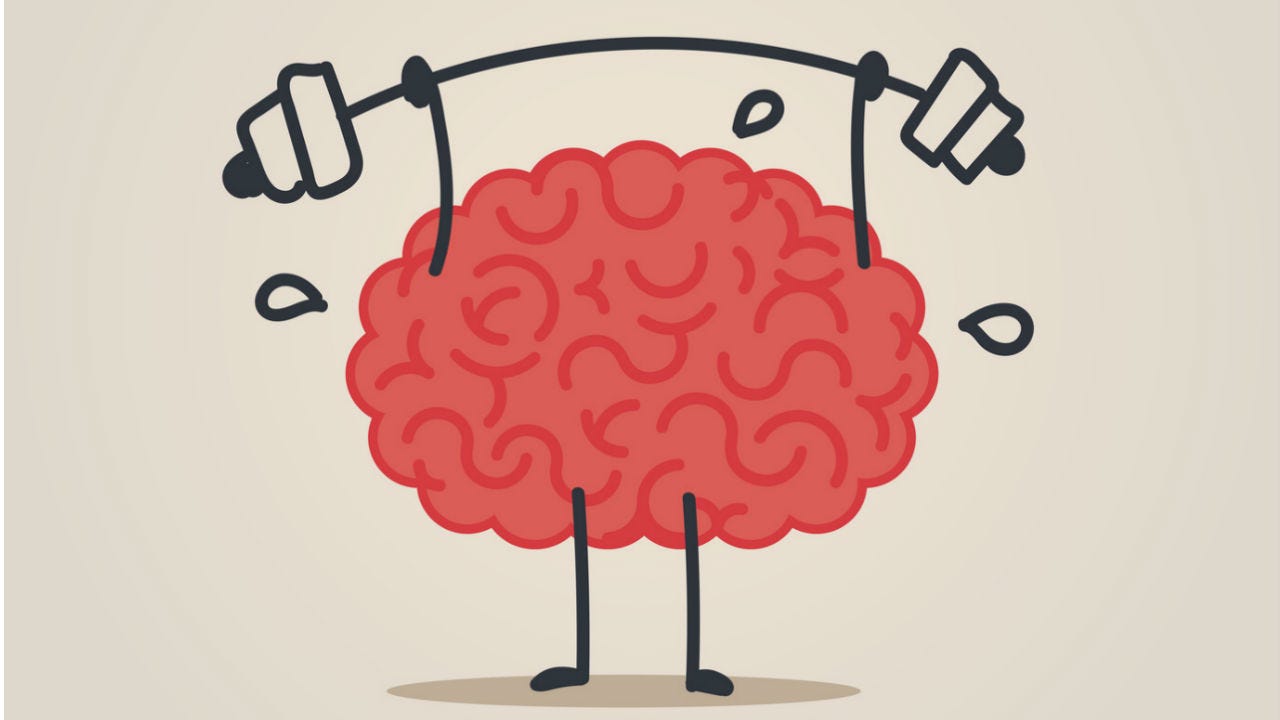
Mental health is an essential part of our overall well-being. It influences how we think, feel, make decisions, handle stress, build relationships, work, study, and respond to everyday challenges.
Just as we take care of our physical health through proper nutrition, exercise, sleep, and medical checkups, our mental and emotional health also deserves regular attention.
However, many people ignore their mental well-being until they begin feeling overwhelmed, emotionally exhausted, anxious, disconnected, or unable to manage daily responsibilities. Taking care of your mental health does not mean waiting until something becomes seriously wrong. It means developing healthy habits, understanding your emotions, seeking support when needed, and creating a lifestyle that supports emotional balance.
At Swachitta, we believe that caring for your mind is an important part of living a healthy, meaningful, and balanced life.
Mental health refers to our emotional, psychological, and social well-being.
It affects the way we:
Good mental health does not mean feeling happy all the time.
Everyone experiences sadness, disappointment, anger, worry, frustration, and stress. Healthy mental well-being means being able to understand and manage these emotions while continuing to function in everyday life.
Mental health influences almost every area of life.
When our emotional well-being is supported, we are often better able to manage responsibilities, communicate effectively, maintain relationships, solve problems, and cope with stressful situations.
When mental health difficulties are ignored for a long period, they may begin affecting work, studies, relationships, sleep, physical health, and overall quality of life.
Taking care of your mental health can help you develop greater emotional awareness, healthier coping strategies, and a better understanding of your personal needs.
Mental and physical health are closely connected.
Periods of intense or prolonged emotional stress may affect sleep, appetite, energy levels, concentration, muscle tension, and daily routines.
Similarly, ongoing physical health problems can sometimes affect mood and emotional well-being.
This is why overall wellness should include both physical and mental health.
Simple habits such as getting adequate sleep, staying physically active, eating regularly, taking breaks, and maintaining supportive relationships can benefit both your body and mind.
Everyone has difficult days, but certain changes may indicate that you need additional emotional support.
Experiencing some of these signs occasionally does not necessarily mean that someone has a mental health condition. However, persistent changes that interfere with daily life may be worth discussing with a qualified professional.
Despite increasing awareness, many people still hesitate to talk about emotional difficulties.
There can be several reasons for this.
Some people worry that others will view them differently if they speak openly about stress, anxiety, depression, or emotional struggles.
People may feel that asking for help means they are unable to manage their own problems.
In reality, seeking appropriate support can be a responsible way of taking care of yourself.
Work, education, family commitments, and other responsibilities can make people continuously postpone taking care of their emotional well-being.
Sometimes mental health concerns develop gradually.
A person may become accustomed to poor sleep, constant stress, irritability, or emotional exhaustion and begin treating these experiences as normal.
Misunderstandings and stigma around mental health can discourage people from seeking counselling or psychological support.
Creating open and respectful conversations around mental well-being can help reduce these barriers.
Making mental health a priority can positively influence many areas of everyday life.
Healthy coping strategies can help you respond to stressful situations without becoming completely overwhelmed.
Understanding your emotions can improve communication, empathy, boundaries, and the way you respond during disagreements.
When emotional stress is better managed, it may become easier to focus on work, studies, and daily responsibilities.
Taking care of your mental health can help you recognize what you are feeling and understand what may be contributing to those emotions.
A more balanced emotional state can make it easier to think clearly and make thoughtful decisions.
Learning to recognize your strengths, limitations, emotions, and personal needs can contribute to healthier self-esteem.
Mental well-being can influence how connected, motivated, fulfilled, and satisfied you feel in your everyday life.
Mental wellness does not always require major changes.
Small habits practiced consistently can make a meaningful difference.
Sleep plays an important role in emotional and physical well-being.
Try to maintain regular sleeping and waking times whenever possible.
Reducing screen time before sleeping and creating a calm nighttime routine may also help improve sleep quality.
Physical activity can support both physical and emotional wellness.
Walking, stretching, yoga, cycling, dancing, or other forms of movement can help reduce tension and provide a mental break from daily responsibilities.
Keeping every emotion inside can become exhausting.
Talking with a trusted friend, family member, counsellor, or mental health professional can provide emotional support and a different perspective.
Learning when to say no can protect your emotional energy.
Healthy boundaries may involve limiting excessive responsibilities, reducing unnecessary commitments, communicating your needs, and creating personal time.
Your mind needs rest just like your body.
Small breaks during work or study can help reduce mental fatigue and improve concentration.
Constant notifications, messages, news, and social media can sometimes contribute to mental exhaustion.
Consider creating periods during the day when you disconnect from your phone or other digital devices.
Healthy relationships can provide emotional security and connection.
Make time for people who respect you, listen to you, and contribute positively to your life.
Hobbies and enjoyable activities can provide valuable emotional recovery.
This may include:
Making time for enjoyable activities should not always be treated as something you do only after completing every responsibility.
Mindfulness involves paying attention to the present moment without immediately judging your thoughts or emotions.
Simple practices can include slow breathing, meditation, mindful walking, journaling, or spending a few quiet minutes away from digital distractions.
Work can provide purpose, financial stability, and personal growth, but excessive workplace pressure may also affect mental well-being.
Work-related challenges may include:
Healthy workplace habits can include setting realistic priorities, taking regular breaks, communicating about workload, and creating boundaries between professional and personal time whenever possible.
Students may experience emotional pressure related to examinations, assignments, career uncertainty, family expectations, friendships, relationships, and comparison with others.
Helpful habits may include:
Academic performance is important, but it should not come at the cost of emotional and physical well-being.
Healthy mental well-being can support stronger relationships.
Understanding your own emotions makes it easier to communicate needs, respect boundaries, listen to others, and manage disagreements constructively.
Relationship difficulties can also affect mental health.
Ongoing arguments, lack of communication, trust concerns, emotional distance, family conflict, or major life changes may create emotional stress.
Counselling can provide a supportive environment for individuals, couples, or families to explore these concerns and develop healthier patterns of communication.
You do not have to wait until your situation becomes severe before speaking with a mental health professional.
Consider seeking support if:
If someone is thinking about harming themselves or feels unable to stay safe, urgent help from local emergency services or an appropriate crisis or healthcare service should be sought.
Counselling provides a private and supportive space to explore emotions, thoughts, experiences, and challenges.
A qualified counsellor or mental health professional may help you:
You do not need to have a diagnosed mental health condition to benefit from counselling.
People also seek counselling for personal growth, relationship concerns, stress management, difficult decisions, confidence issues, and simply having a professional space to talk.
At Swachitta, individuals can access professional counselling and psychological support for a variety of emotional, personal, and mental health concerns.
Small daily actions can support long-term emotional health.
Trying to change everything at once can become overwhelming. Focus on one realistic improvement at a time.
Rest should not only happen when you become completely exhausted.
Include regular opportunities to relax and recover.
Maintain contact with supportive friends, family members, or people you trust.
Journaling can help organize thoughts, identify emotional patterns, and provide space for reflection.
Mistakes and difficult periods are part of life.
Try to speak to yourself with the same patience and understanding you would offer someone you care about.
Some situations cannot be immediately changed.
Directing your attention toward actions you can take may reduce unnecessary emotional pressure.
You do not need to solve every difficulty alone.
Seeking support can be an important part of taking responsibility for your well-being.
Mental health is important for everyone. Emotional well-being deserves attention even when there is no diagnosed mental health condition.
Anyone can experience stress, anxiety, sadness, grief, burnout, or emotional difficulty regardless of personality, profession, age, or background.
Healthy conversations can help people understand their emotions and feel supported.
Counselling can help with everyday stress, relationships, personal development, decision-making, emotional difficulties, and more serious mental health concerns.
There is no requirement to manage every challenge alone. Seeking appropriate support can be a healthy and practical decision.
Mental health affects the way we think, feel, communicate, make decisions, manage stress, maintain relationships, and function in everyday life.
Signs may include being able to manage emotions, maintain relationships, adapt to challenges, communicate needs, recover from stressful situations, and maintain a reasonable balance between responsibilities and personal well-being.
Healthy sleep, regular physical activity, supportive relationships, realistic boundaries, enjoyable activities, stress management, and professional support when needed can contribute to better mental well-being.
Both are important and closely connected. Emotional difficulties can affect physical functioning, while physical health concerns can also influence mood and mental well-being.
You can speak with a counsellor whenever emotional or personal challenges feel difficult to manage. You do not need to wait until symptoms become severe.
Yes. Counselling can support stress management, relationships, personal growth, emotional awareness, confidence, decision-making, and many other everyday concerns.
No. Seeking appropriate support is one way of actively taking care of your emotional well-being.
Mental health is not something that should only receive attention during a crisis.
Your emotional well-being influences the way you experience relationships, responsibilities, achievements, challenges, and everyday life.
Taking care of your mind can involve simple things: getting enough rest, talking about your feelings, maintaining healthy relationships, setting boundaries, staying active, making time for yourself, and recognizing when professional support may be helpful.
There is no need to wait until you feel completely overwhelmed before prioritizing your mental well-being.
Small, consistent steps toward better emotional health can contribute to a healthier and more balanced life.
At Swachitta, we believe that taking care of your mind matters just as much as taking care of your body. Understanding your emotions, reaching out when needed, and making mental well-being part of your everyday life can be meaningful steps toward lasting emotional wellness.
Swachitta
Professional counselling and mental health support for individuals seeking guidance with stress, anxiety, depression, relationships, emotional challenges, and overall psychological well-being.
Connect with Swachitta to take a positive step toward better mental and emotional well-being.
.png)